





 Customer Dispute Resolution Page
 Help Center
 Affiliate Program
In this article
Welcome to WPT Global
Welcome to WPT Global, the online home of the World Poker Tour®. Let us guide you through setting up your account and get you to the tables in no time.Social Media


How To Play
World Leading Tournaments
A huge player pool and everything from freerolls to high rollers – plus regular special events!Ambassadors
Get to know our ambassadors - world-class players from across the globe who embody the spirit of the game. Discover their stories and become part of the community.Your Hub for News
Explore stories, tips, and updates from the world of poker and casino. Learn from pros, discover new trends, and stay in the loop with everything happening at WPTGlobal.What are you looking for?
Close




How to Throw Poker Cards
Share



Key Takeaways
Throwing poker cards is a popular card trick that requires spin, control, and wrist movement.
The most common technique uses a frisbee-style throw that creates stable rotation in the air.
Accuracy and distance improve with proper grip and consistent wrist motion.
Beginners should practice with a single card before attempting trick throws.
Card throwing is a fun skill that can improve general card handling when playing poker.
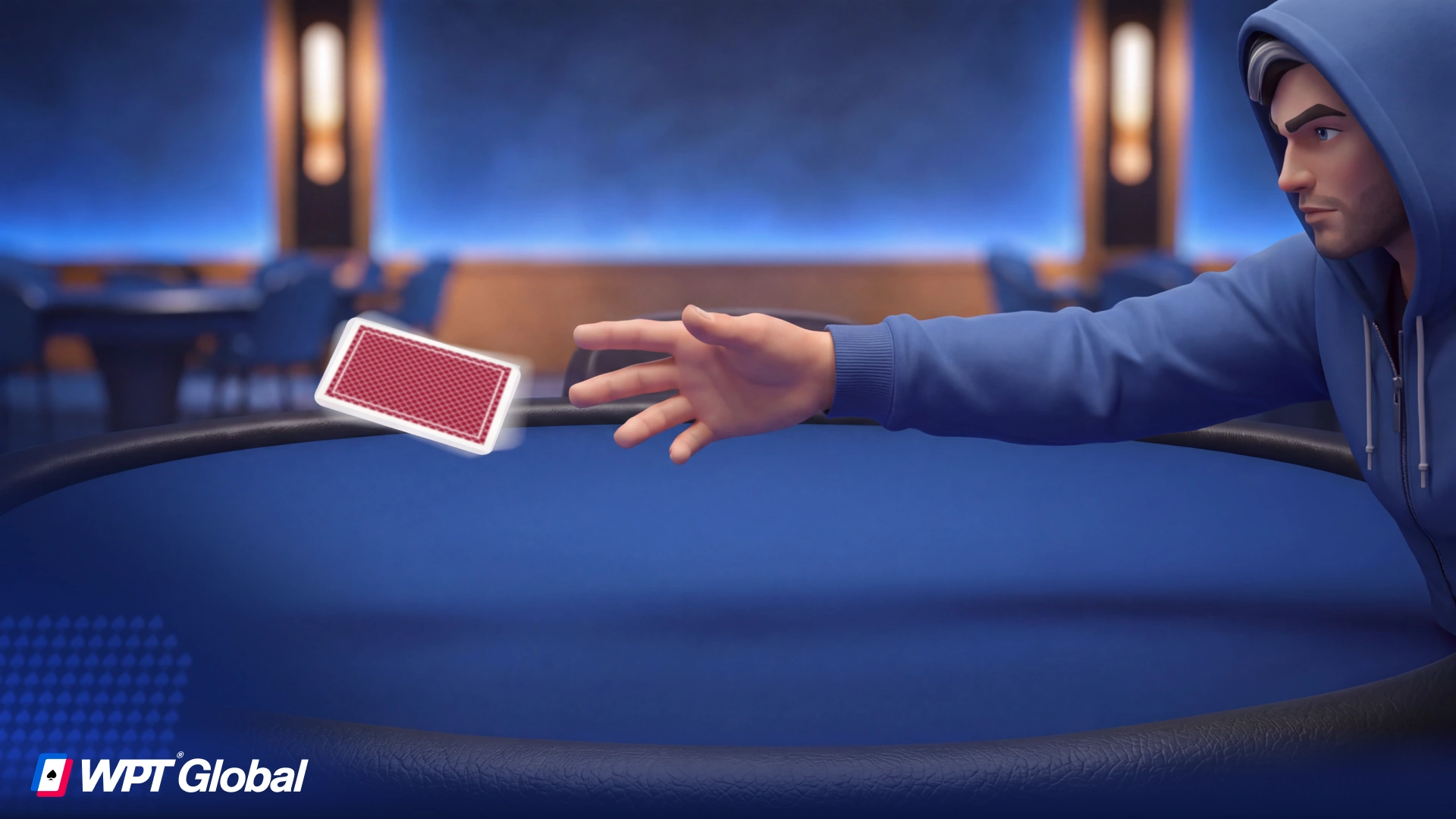
Throwing poker cards is one of those skills that looks almost effortless when done correctly. You may have seen performers, magicians, or experienced card handlers launch a playing card across a room with surprising speed and accuracy. While it might look like a trick reserved for professionals, the technique is actually based on a few simple mechanics.
The key to throwing cards effectively is spin. When a card rotates quickly, it becomes stable in the air and travels much farther than if it were simply tossed forward. Once you understand the correct grip and wrist motion, even beginners can start throwing cards with surprising control.
Although this skill is mostly performed for fun or demonstrations, learning it can also improve overall card handling. Players who spend time practicing card control often become more comfortable dealing, shuffling, and handling decks during live poker games.
Below are two of the most common methods used to throw poker cards.
1st Method: The Frisbee Card Throw
This is the most common and beginner-friendly technique. The movement resembles throwing a Frisbee and focuses on creating strong rotation.
Step 1. Hold the Card with the Correct Grip
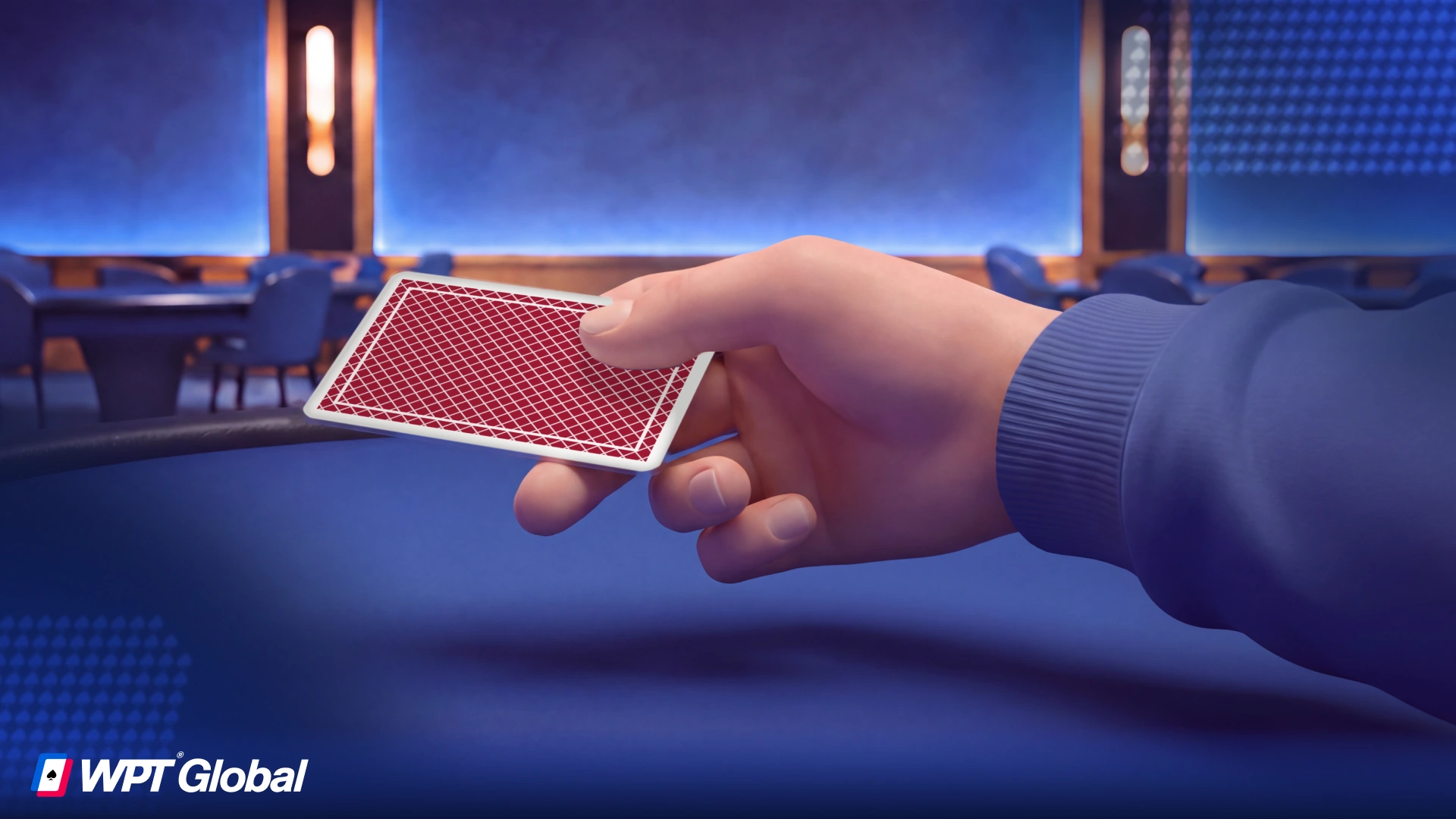
Hold the card between your thumb and middle finger while supporting it with your index finger along the edge. The card should rest firmly but not be squeezed tightly.
Your wrist should remain relaxed so you can generate spin during the throw.
Step 2. Position Your Wrist and Arm

Raise your hand to the side of your body as if preparing to throw a Frisbee. Your palm should face slightly inward, and the card should remain flat and horizontal.
This setup helps align the card so it spins correctly once released.
Step 3. Snap Your Wrist to Release the Card
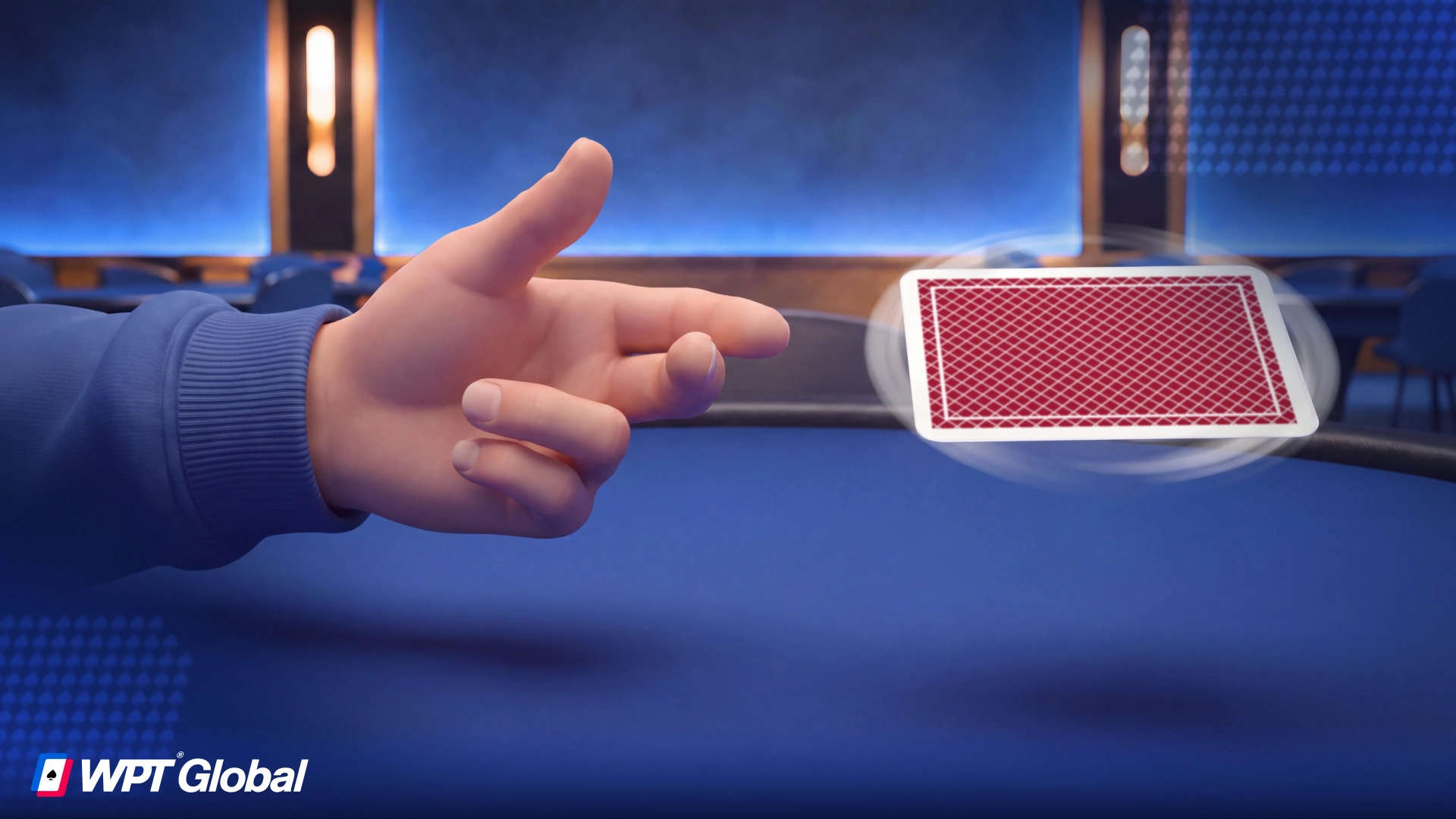
The power of the throw comes primarily from your wrist. Snap your wrist forward quickly while releasing the card with your fingers.
The goal is to create rapid rotation so the card spins like a small disc. When done correctly, the card will travel straight and stable through the air.
Practicing this motion slowly at first helps build consistency.
2nd Method: The Overhand Card Throw
The overhand throw is another technique often used by performers and magicians. It focuses more on downward motion and controlled release.
Step 1. Grip the Card from the Top Edge
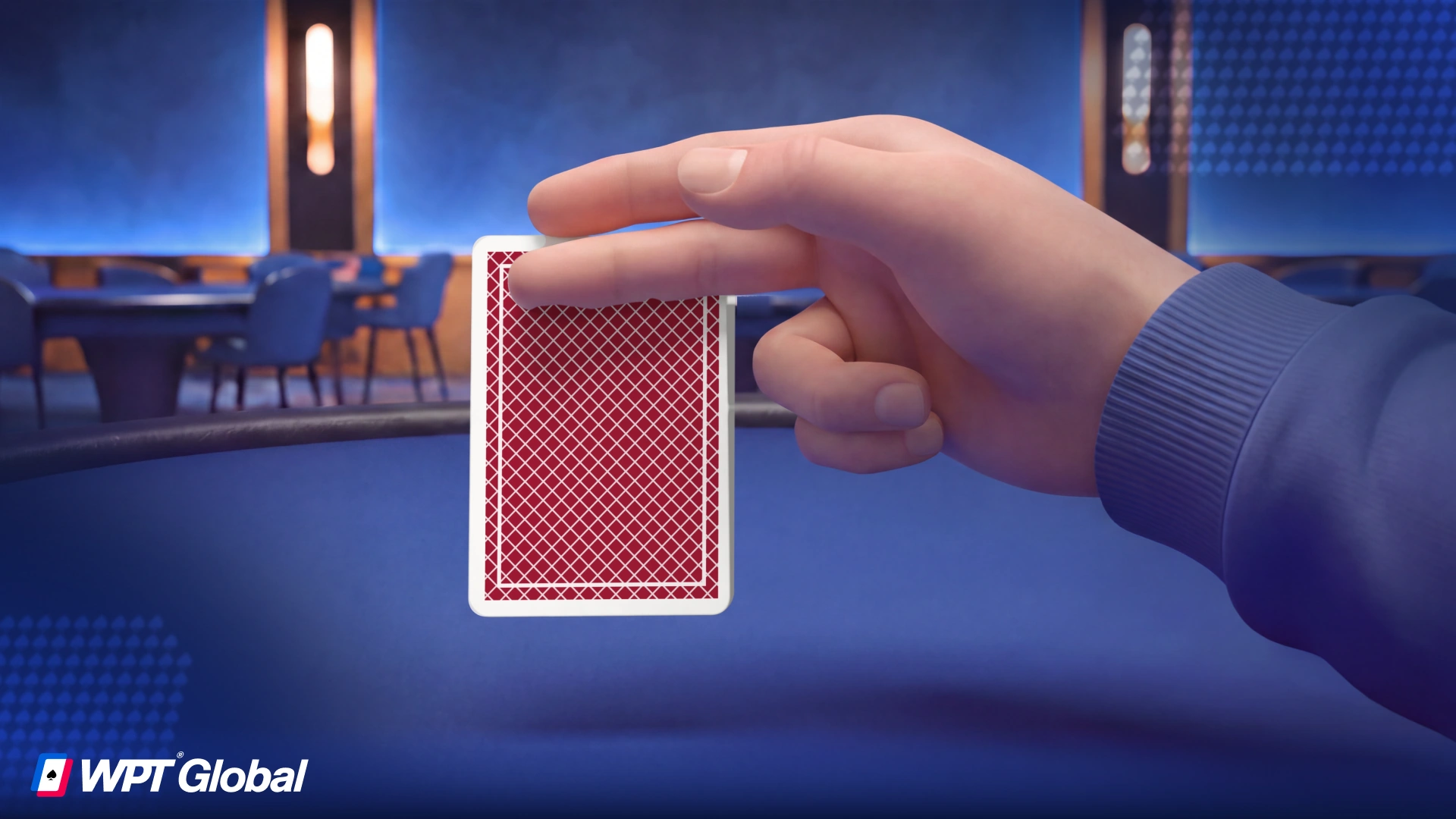
Hold the card between your thumb and index finger near the top corner. Your other fingers can support the card lightly from behind.
This grip allows the card to rotate forward when released.
Step 2. Raise Your Arm Above Your Shoulder

Lift your arm slightly above shoulder level. The card should remain vertical rather than horizontal in this method.
Your wrist should remain flexible so you can snap it forward during the throw.
Step 3. Snap the Wrist Forward to Spin the Card
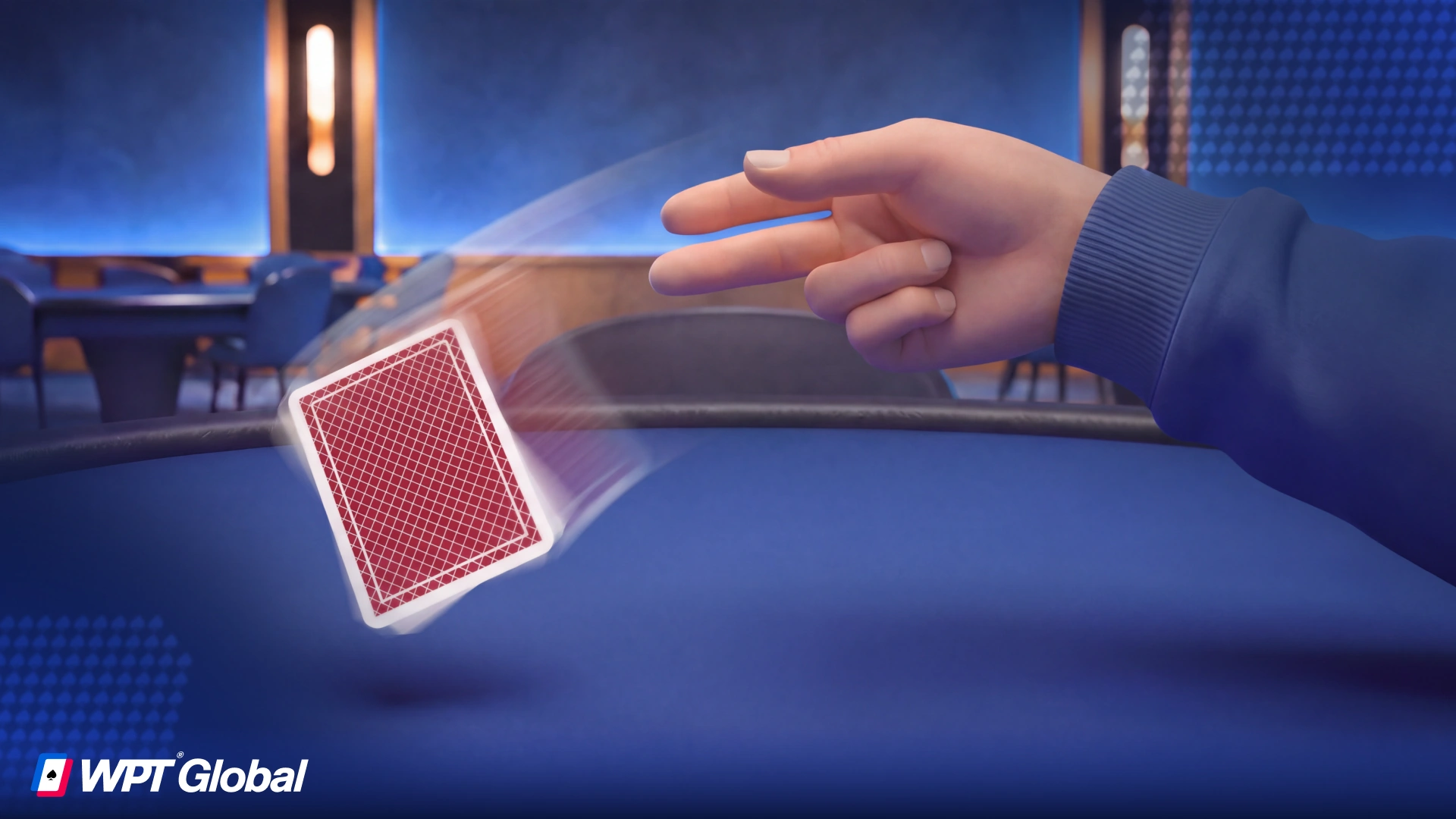
Release the card while snapping your wrist forward. The spinning motion stabilizes the card and allows it to travel farther than a simple toss.
Overhand throws are often used for trick shots and demonstration throws.
Tips for Throwing Poker Cards
Learning to throw poker cards properly takes a bit of technique and patience. While it might look effortless when professionals do it, most of the control comes from wrist movement, card grip, and practice rather than just pure strength.
The following tips can help you develop a smoother and more accurate throw.
Use Sturdy Playing Cards
Thin or worn-out cards tend to bend or wobble during flight, which makes it difficult to control their direction. Using newer or higher-quality playing cards helps maintain a firm structure, allowing the card to glide through the air more cleanly.
Casino-style plastic-coated cards are often the easiest to practice with because they hold their shape well.
Focus on Spin, Not Strength
Many beginners try to throw cards harder, assuming that more force will make the card travel farther. In reality, distance and accuracy come from the spin created by your wrist.
A quick, controlled flick of the wrist gives the card stability in the air, helping it stay flat and travel farther without excessive effort.
Practice with a Single Card
When starting out, practicing with one card at a time makes it easier to focus on grip, wrist motion, and release timing. Trying to throw cards from a full deck can distract from the technique you are trying to develop.
Once you feel comfortable controlling a single card, you can gradually experiment with throwing multiple cards.
Practice in an Open Space
Card throwing requires a fair amount of room for the card to travel safely. Practicing in a large room, hallway, or outdoor space reduces the chance of hitting walls, furniture, or other obstacles.
An open area also allows you to focus on distance and accuracy without constantly retrieving cards from tight spaces.
Be Patient While Learning
Card throwing is a coordination skill that takes time to develop. It is normal for cards to drop, spin incorrectly, or veer off course in the beginning.
With consistent practice, your wrist motion will become smoother and the cards will begin to fly more predictably.
Staying patient and practicing regularly will lead to noticeable improvement over time.
Final Thoughts
Learning how to throw poker cards is a fun way to develop better card handling and coordination. While it is mostly performed as a trick or demonstration, the skill is based on simple mechanics that anyone can learn with practice.
By focusing on proper grip, wrist motion, and spin, beginners can quickly start sending cards flying across a room with surprising accuracy.
Whether you are practicing tricks or preparing for a casual home game, becoming comfortable handling cards is part of enjoying the broader culture surrounding poker and the many small skills players develop around the table.


Promotions
For Customers
Safety & Security
Stay Connected
Follow us on social media to stay updated with the latest news, updates, and exclusive offers!


Promotions
For Customers
Safety & Security
Stay Connected
Follow us on social media to stay updated with the latest news, updates, and exclusive offers!
 Local Payment Methods
 Cards
 Crypto
 E-Wallets
 Apple Pay
 Google Pay
 Instant Bank Payments
*
Some methods may not be available in your region. Please contact support if you experience any issues.
This website is operated by Everstronglink Limited a company incorporated under the laws of Costa Rica having its registered address at Province 01 San Jose, Canton 02 Escazu, San Rafael, On La Ceiba Street, House No. 400, Costa Rica, and is licensed by the Tobique Gaming Commission under License Number 0000005. Kashxa Limited, a Cyprus company with registration number 427606, having its registered office at Strovolou, 12 Aigyptou, Nicosia, 1097, Cyprus, is acting as a payment agent on behalf of the license holder entity Everstronglink Limited.
Gambling can be addictive. Play responsibly. Everstronglink Limited only accepts customers over 18 years of age.
Copyright © 2026 WPT Global. All rights reserved