





 Customer Dispute Resolution Page
 Help Center
 Affiliate Program
In this article
Welcome to WPT Global
Welcome to WPT Global, the online home of the World Poker Tour®. Let us guide you through setting up your account and get you to the tables in no time.Social Media


How To Play
World Leading Tournaments
A huge player pool and everything from freerolls to high rollers – plus regular special events!Ambassadors
Get to know our ambassadors - world-class players from across the globe who embody the spirit of the game. Discover their stories and become part of the community.Your Hub for News
Explore stories, tips, and updates from the world of poker and casino. Learn from pros, discover new trends, and stay in the loop with everything happening at WPTGlobal.What are you looking for?
Close




Is Poker a Game of Skill or Luck? Or Is Poker Gambling?

Share



Key Takeaways
Poker contains elements of both luck and skill, but long-term results strongly favor skilled players.
Short-term outcomes are influenced by random card distribution, which introduces variance.
Strategic decision-making, probability analysis, and psychological play are core skills in poker.
Most jurisdictions legally classify poker as a form of gambling because money is wagered.
Responsible play and proper bankroll management are essential to maintaining a healthy relationship with the game.
Few debates in the poker world are as persistent as the question of whether poker is gambling or a game of skill. On the surface, poker appears similar to casino games where players wager money and hope for favorable outcomes. Cards are shuffled randomly, and no player can control which cards they receive.
However, anyone who spends time studying poker quickly realizes that skill plays a major role in determining long-term success. Professional players consistently outperform beginners not because they are luckier, but because they make better decisions over thousands of hands.
Understanding where poker sits between skill and luck requires looking at how the game works, what elements involve chance, and how strategy affects results. Whether you are playing casually with friends or competing in structured poker tournaments, the balance between luck and skill shapes every hand.
What is Poker?
Poker is a card game in which players compete to win chips or money by forming the best hand or convincing opponents to fold. Most modern formats are based on the ranking system of standard poker hands.
The most widely played version is Texas Hold’em. In this format, players receive two private cards and combine them with five community cards to make the best possible five-card hand.
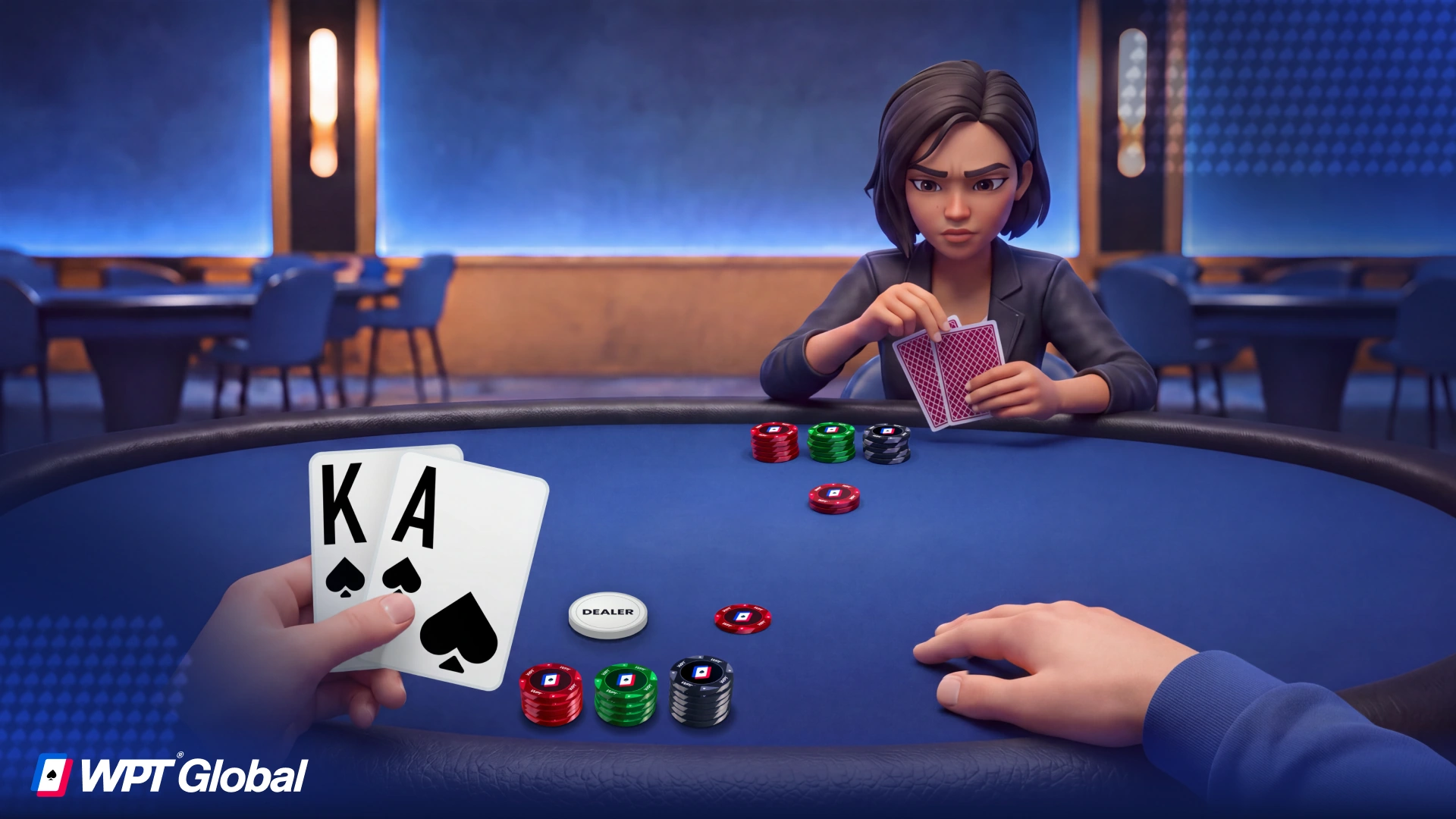
What makes poker unique compared to many other casino games is that players compete against each other rather than against the house. The house typically earns money through a rake or tournament entry fee rather than through the outcome of individual hands.
Because players must make strategic decisions throughout each hand, poker has developed a reputation as one of the most intellectually demanding games in the gambling world.
Is Poker Considered Gambling?
From a legal perspective, poker is usually classified as a form of gambling because players risk money or something of value on an uncertain outcome.
Most definitions of gambling involve three elements:
Consideration (money or stakes)
Chance (an uncertain result)
Prize (a potential reward)
Poker satisfies all three. Players pay buy-ins, the cards are distributed randomly, and the winner collects chips or prize money.
Because of this, poker is regulated under gambling laws in many jurisdictions. The exact rules vary widely depending on the country or region.
Even in competitive environments where skill is clearly important, the legal classification often remains the same.
What are the Gambling Elements of Poker?
While poker contains strategic depth, it also includes clear elements of chance.
Random Card Distribution
Players cannot control which cards they receive. A player might be dealt a strong starting hand or a weak one entirely by chance.
Short-Term Variance
Even the best players in the world can lose sessions or tournaments simply because cards fall unfavorably. This is known as variance.
Risk and Reward
Poker involves betting decisions where players risk chips in hopes of winning a larger pot. This structure naturally resembles other wagering activities.
Because of these factors, poker undeniably contains gambling elements.
Can Poker be Considered a Game of Skill or Luck?
The real answer is that poker is both.
In the short term, luck plays a larger role. Over a single hand or even a single session, the outcome can be heavily influenced by the cards dealt.
In the long term, skill becomes the dominant factor. Over thousands of hands, better players consistently outperform weaker opponents.
This long-term skill edge is why professional poker players exist. If poker were purely luck-based, consistent winners would not emerge over time.
Is There Skill Involved in Poker?
Poker strategy requires a combination of analytical thinking, probability calculations, and psychological awareness.
Key skills include:
Probability and Odds Calculation
Understanding poker odds allows players to determine whether calling or raising is mathematically profitable.
Position Awareness
Players who act later in the betting order gain more information and can make stronger decisions.
Bluffing and Deception
Strategic bluffing allows players to win pots even when they do not hold the strongest hand.
Bankroll Management
Managing funds responsibly helps players survive inevitable losing streaks.
These strategic elements demonstrate why poker is widely viewed as a skill-based competition among players.
Is There Luck Involved in Poker?
Luck remains a significant part of the game, especially in short-term results.
Being Dealt Premium Starting Hands
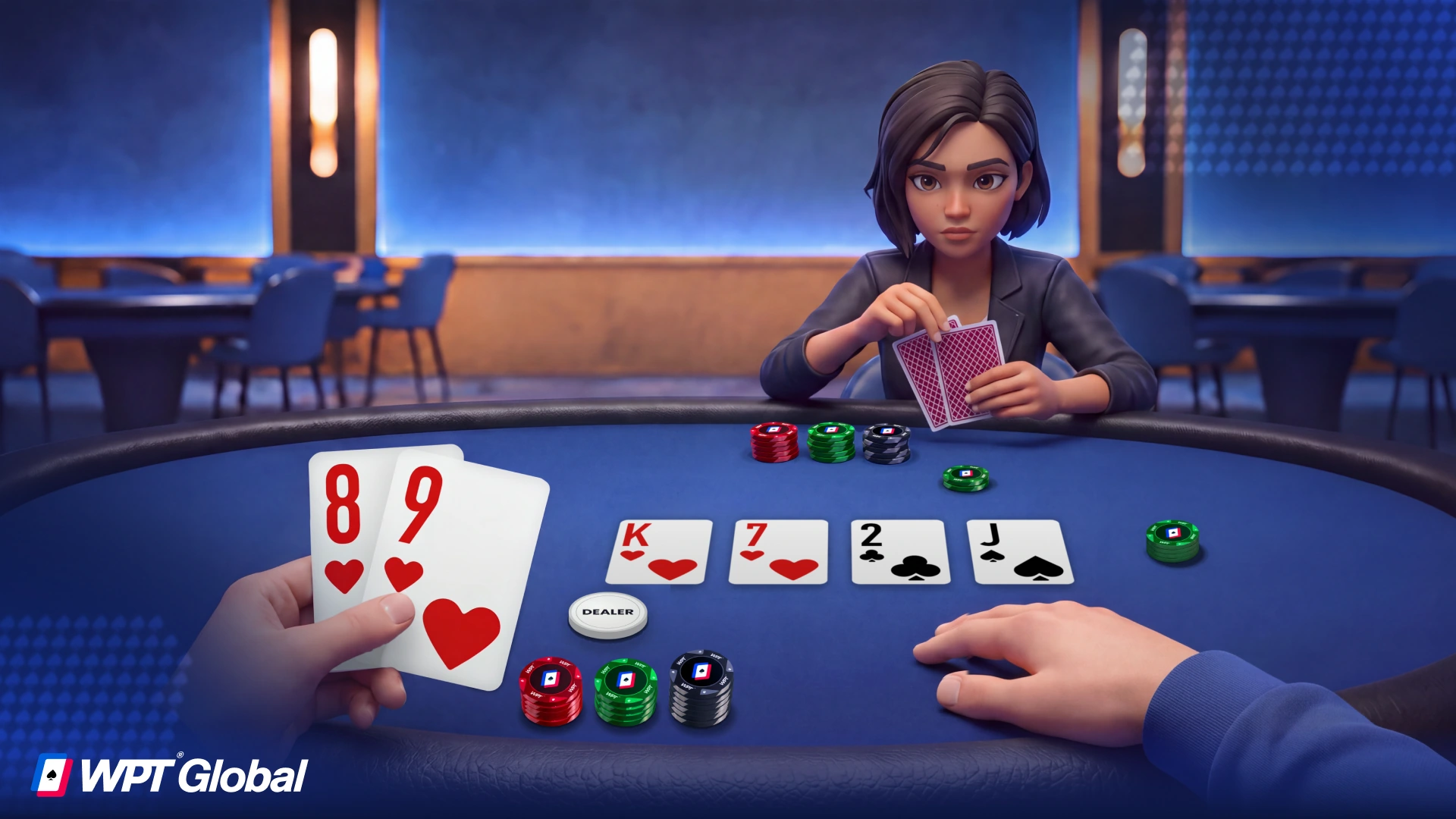
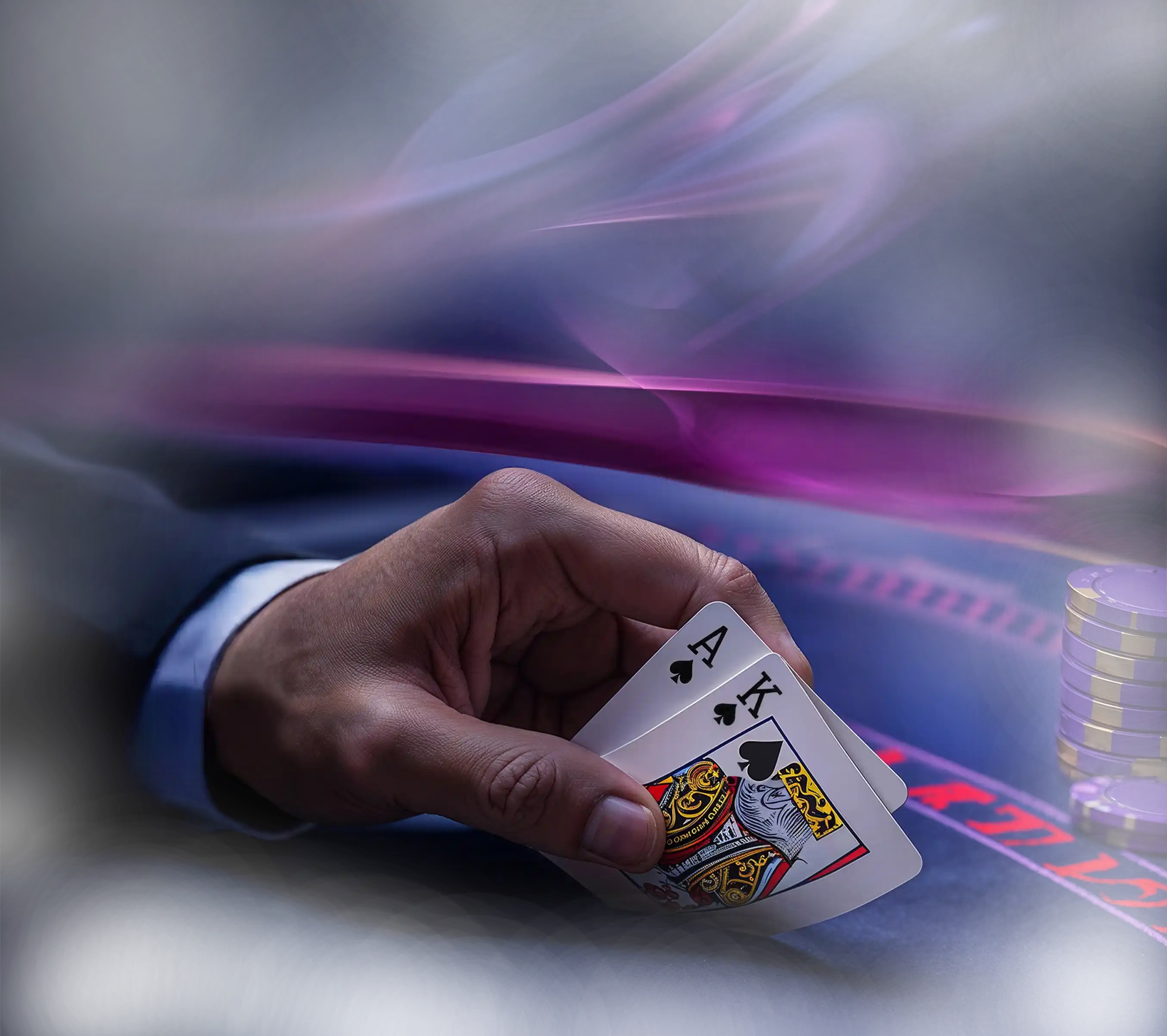
Sometimes players are simply dealt very strong starting hands like pocket aces or pocket kings. These hands provide a natural advantage before the action even begins, but when they appear is entirely down to luck.
Hitting a Strong Card on the Turn or River
A hand can change quickly if a helpful card appears later in the deal. Catching a winning card on the turn or river can dramatically improve a hand and completely alter the outcome.
Opponents Missing Their Draws
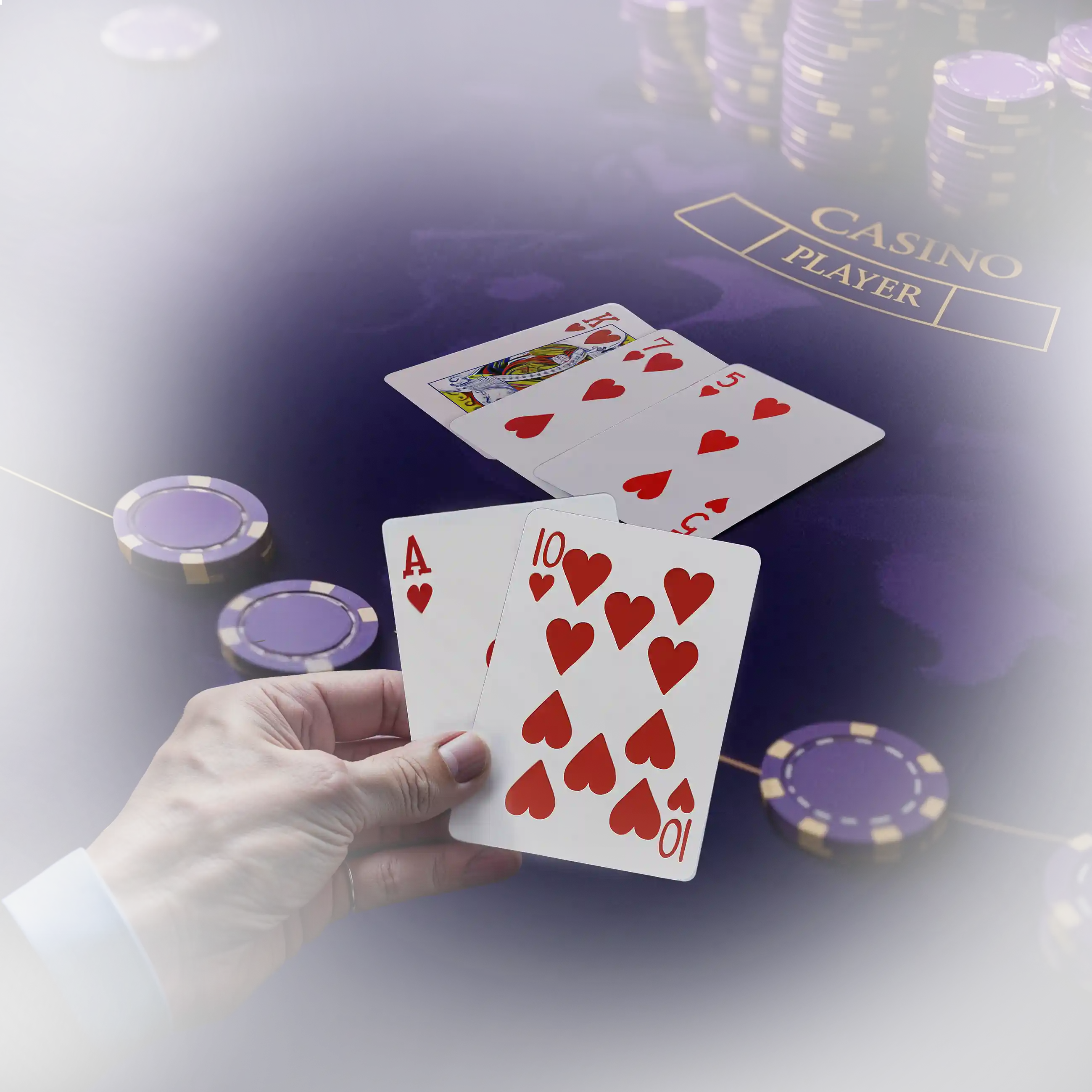
Luck can also work in your favor when opponents fail to complete their drawing hands. If they miss the card they need for a straight or flush, your hand may remain ahead without improvement.
Emotional Discipline Matters
Because outcomes can depend on the cards, even the correct decision can lose. Strong players accept these short-term swings and focus on making good decisions over the long run.
These events are outside any player’s control. Even a perfect decision can lose if the cards fall the wrong way. Because of this, poker requires emotional discipline. Players must accept short-term losses while focusing on long-term decision quality.
Is Poker a Game of Chance?
Poker contains elements of chance but is not purely a game of chance.
Games like roulette or slot machines rely entirely on random outcomes controlled by the house. In poker, players influence outcomes through their decisions.
A skilled player can fold weak hands, pressure opponents, and extract value when holding strong cards. These decisions accumulate over time and create measurable advantages.
For this reason, many researchers and professional players describe poker as a “skill game with elements of chance.”
Can Muslims Play Poker?
The question of whether Muslims can play poker depends on individual interpretation and religious guidance.
In many interpretations of Islamic law, activities involving gambling are discouraged or prohibited. Because poker typically involves wagering money, some scholars consider it incompatible with Islamic principles.
However, poker played purely for entertainment without betting may be viewed differently depending on interpretation.
Anyone with religious concerns should consult knowledgeable authorities within their community.
Is Poker Haram?
The term “haram” refers to actions considered forbidden under Islamic law.
Since poker commonly involves betting money, many scholars classify it as haram under traditional interpretations that prohibit gambling activities.
However, perspectives can vary depending on context and whether the game involves wagering or purely recreational play.
As with many religious questions, guidance from trusted scholars is recommended.
Final Thoughts
Poker sits in a unique space between gambling and competitive skill games. Chance influences individual hands, but long-term results strongly favor players who understand strategy, probabilities, and psychology.
This balance between luck and skill is part of what makes poker so compelling. Every hand carries uncertainty, but skilled players consistently find ways to maximize their edge.
Whether playing casually with friends or competing in serious poker environments, understanding this balance helps players approach the game with realistic expectations and a healthy mindset.

FAQs
Can you get addicted to poker?

Yes, it is possible for individuals to develop unhealthy relationships with poker, particularly when real money is involved. Like other forms of gambling, poker can become problematic if players chase losses or gamble beyond their financial means.
Practicing responsible habits and setting limits is essential. Players can learn more about safe play through responsible gaming resources.
Is poker regulated?
In many countries, poker is regulated under gambling laws. Licensed operators must follow rules designed to protect players and ensure fair gameplay.
Regulation often includes identity verification, fair gaming standards, and responsible gaming measures.
Is poker legal?
Yes, poker is legal. Its legality varies widely depending on the jurisdiction. Some countries allow online poker and live poker rooms under regulated systems, while others restrict or prohibit them.
Before playing for real money, players should always check local laws and regulations.
Is poker banned in any countries?
Yes. Certain countries restrict or prohibit real-money poker due to gambling laws or regulatory policies. However, many regions allow poker under licensed platforms and controlled environments.
Because regulations change frequently, it is important for players to stay informed about local rules.

Promotions
For Customers
Safety & Security
Stay Connected
Follow us on social media to stay updated with the latest news, updates, and exclusive offers!


Promotions
For Customers
Safety & Security
Stay Connected
Follow us on social media to stay updated with the latest news, updates, and exclusive offers!
 Local Payment Methods
 Cards
 Crypto
 E-Wallets
 Apple Pay
 Google Pay
 Instant Bank Payments
*
Some methods may not be available in your region. Please contact support if you experience any issues.
This website is operated by Everstronglink Limited a company incorporated under the laws of Costa Rica having its registered address at Province 01 San Jose, Canton 02 Escazu, San Rafael, On La Ceiba Street, House No. 400, Costa Rica, and is licensed by the Tobique Gaming Commission under License Number 0000005. Kashxa Limited, a Cyprus company with registration number 427606, having its registered office at Strovolou, 12 Aigyptou, Nicosia, 1097, Cyprus, is acting as a payment agent on behalf of the license holder entity Everstronglink Limited.
Gambling can be addictive. Play responsibly. Everstronglink Limited only accepts customers over 18 years of age.
Copyright © 2026 WPT Global. All rights reserved