Three Card Poker Rules and Strategy: How to Play & Win

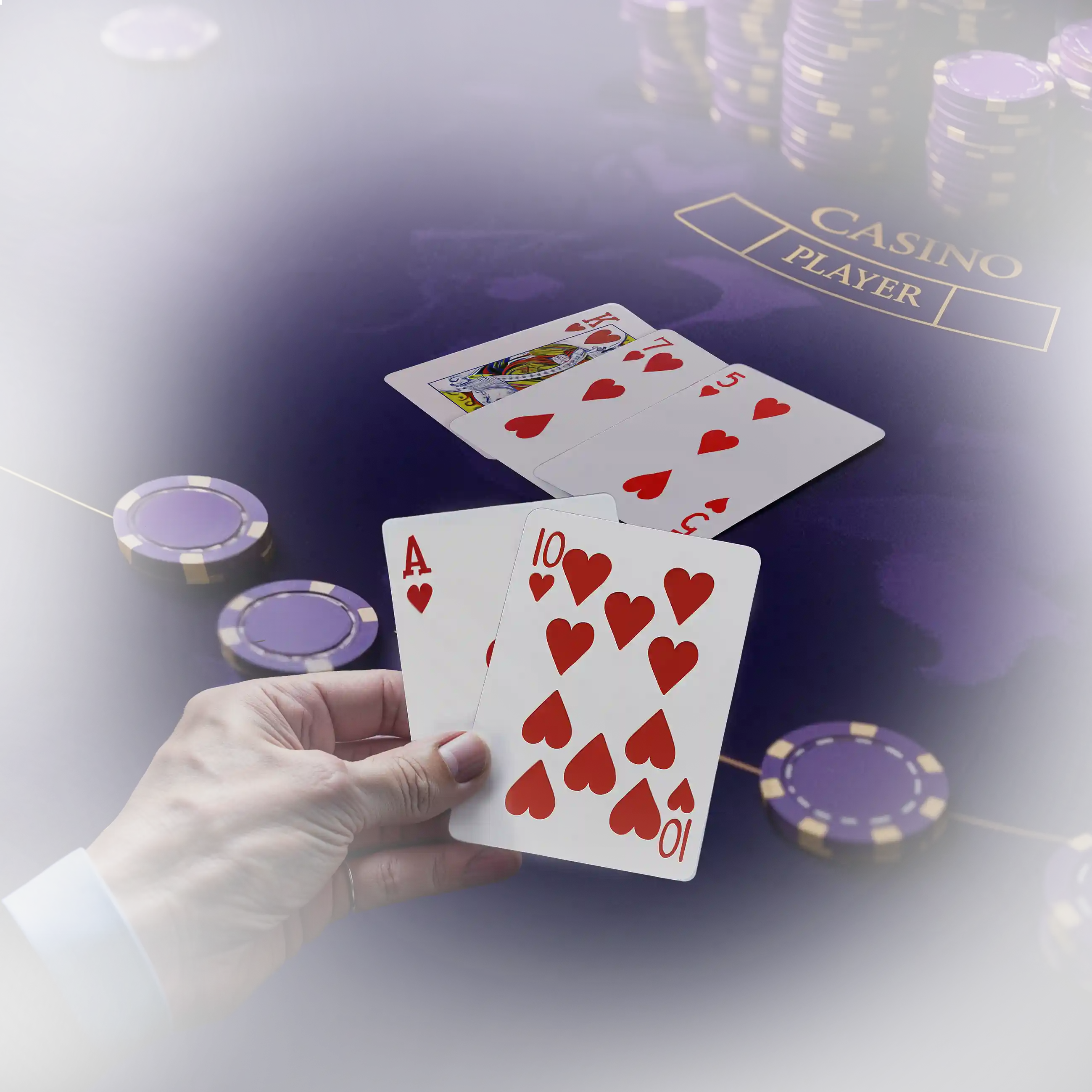
Three Card Poker player holding three cards at the table.
Author
Harry Elliott
Reviewed by
Jeff Kimber
Last Updated
Nov 26, 2026
Read Time
11 Min Read

Key Takeaways

  • Three Card Poker is a casino table game where players compete against the dealer rather than other players.

  • The game uses only three cards per player, making rounds fast and easy to learn.

  • The main wagers are the Ante bet, Play bet, and optional Pair Plus bet.

  • Understanding hand rankings and basic strategy helps reduce the house edge.

  • Responsible play and proper bankroll management are important for enjoying casino games safely.

Three Card Poker is one of the fastest and most beginner-friendly table games found in modern casinos. Created in the 1990s, the game quickly became popular because it combines elements of traditional poker with the simplicity of casino-style betting.

Unlike many poker variants where players compete against each other, Three Card Poker is played against the dealer. The objective is simple: build a stronger three-card hand than the dealer or win bonus payouts based on your cards.

Because each round uses only three cards, the game moves quickly, and decisions are straightforward. This makes it an appealing option for players who enjoy poker-style hands but want a simpler experience than traditional poker games.

Understanding the rules, hand rankings, and betting options can help you approach the game with confidence and improve your overall experience.

What Is 3-Card Poker?

Three Card Poker is a casino table game where players attempt to beat the dealer using a three-card hand.

The game blends poker-style hand rankings with casino wagering mechanics. Instead of competing against multiple opponents, every player at the table faces the dealer directly.

Three Card Poker typically includes two main betting options:

  • Ante and Play bets, where players compete against the dealer

  • Pair Plus bets, where players win based solely on the strength of their hand

Because the game uses only three cards instead of the standard five-card poker format, the hand rankings are slightly different from traditional poker hands.

Three Card Poker Rules: How the Game Works

The basic structure of Three Card Poker is simple.

Players place their bets before any cards are dealt. Each player and the dealer then receive three cards face down.

After looking at their cards, players must decide whether to:

  • Fold, surrendering their Ante bet

  • Play, placing an additional wager equal to the Ante bet

Once all decisions are made, the dealer reveals their hand.

To qualify, the dealer must hold at least Queen-high. If the dealer does not qualify, players win even money on the Ante bet while the Play bet pushes.

If the dealer qualifies, both hands are compared, and the stronger hand wins.

3-Card Poker Hand Rankings Explained

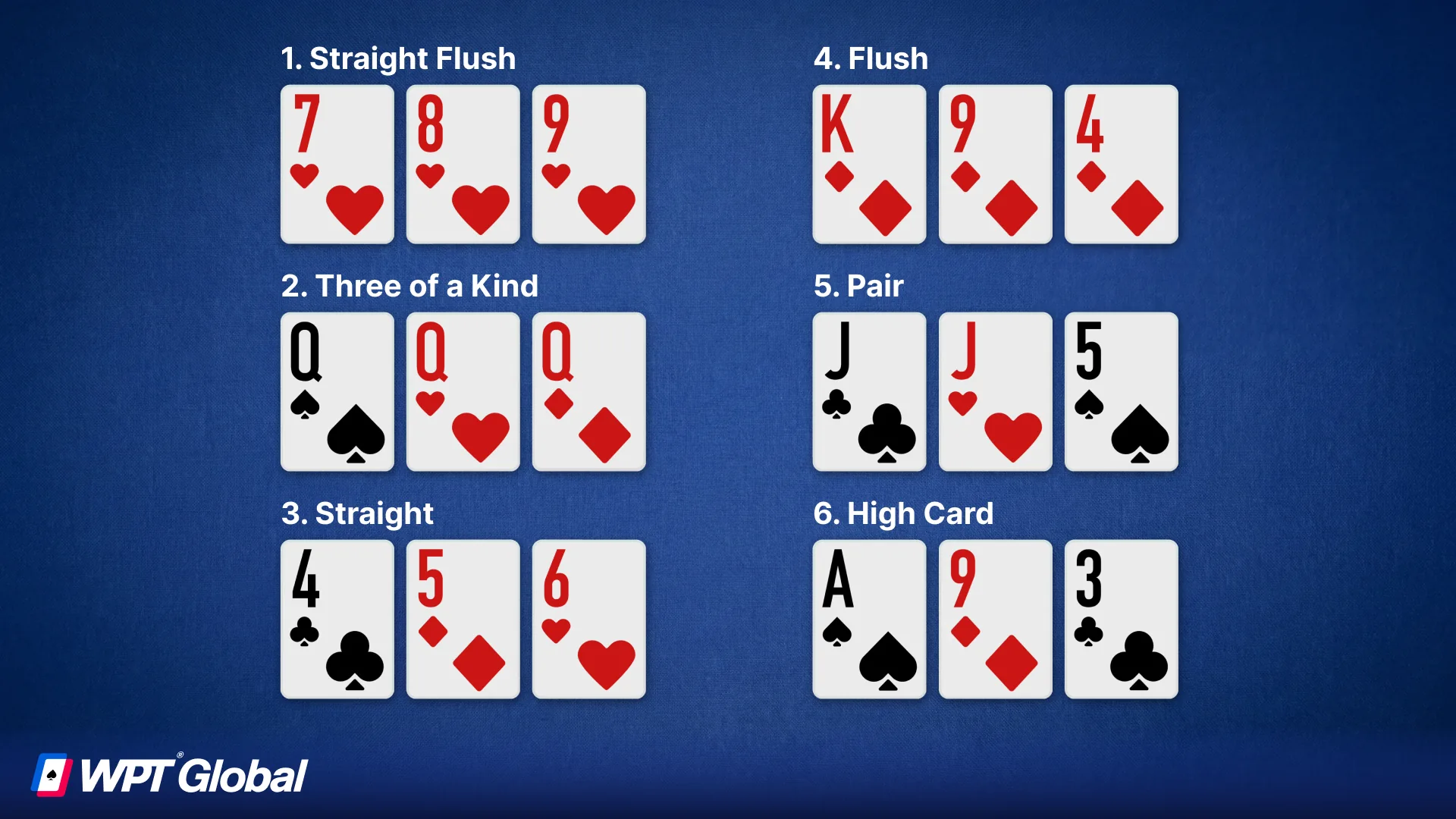
Three Card Poker hand rankings chart displaying all hands from strongest to weakest.

Because the game uses only three cards, the hand rankings differ slightly from traditional poker.

From strongest to weakest, Three Card Poker hands are ranked as follows:

Straight Flush

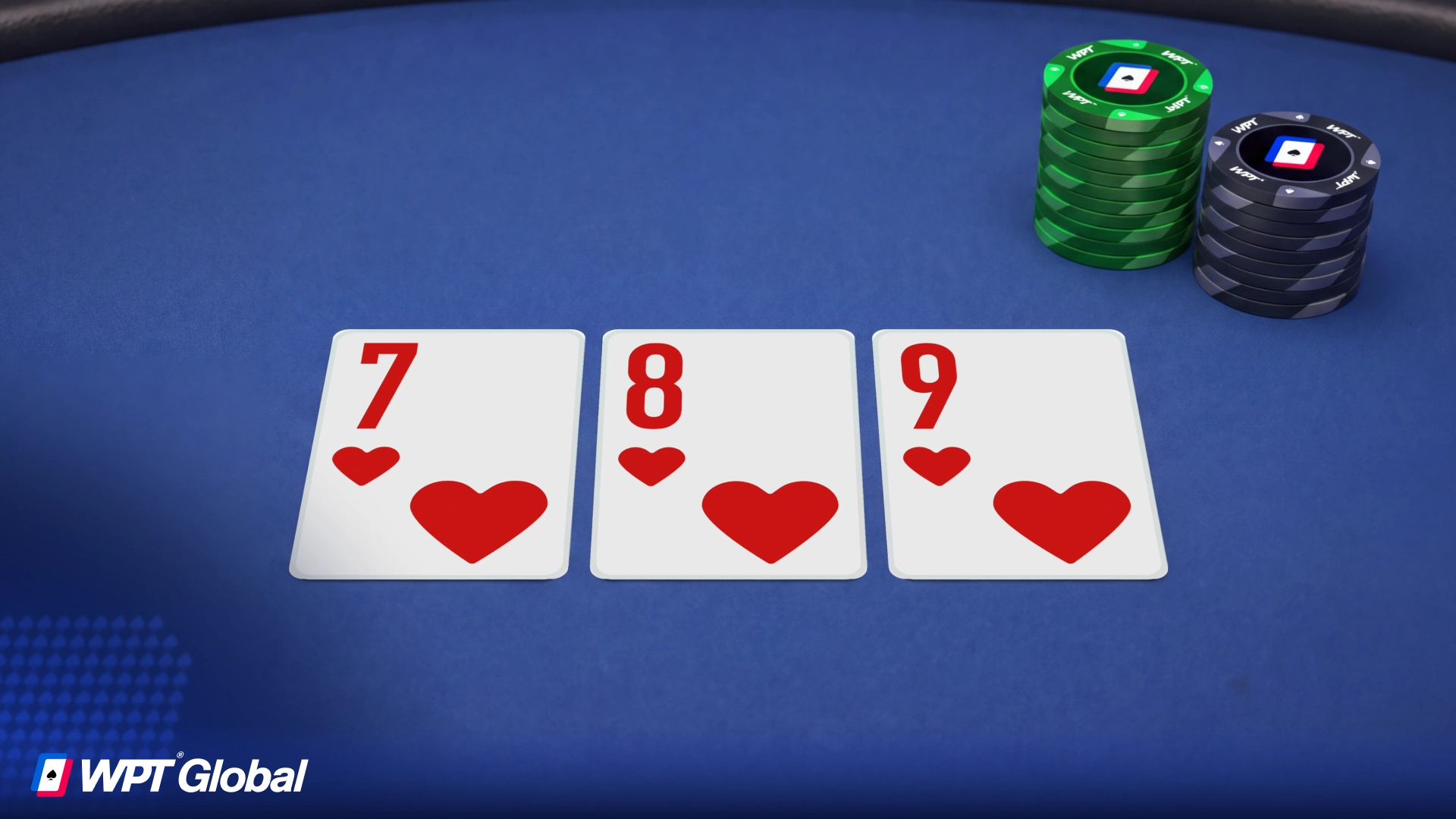
Three Card Poker straight flush with three consecutive cards of the same suit.

A straight flush consists of three consecutive cards that are all the same suit. This is the strongest possible hand in three-card poker.

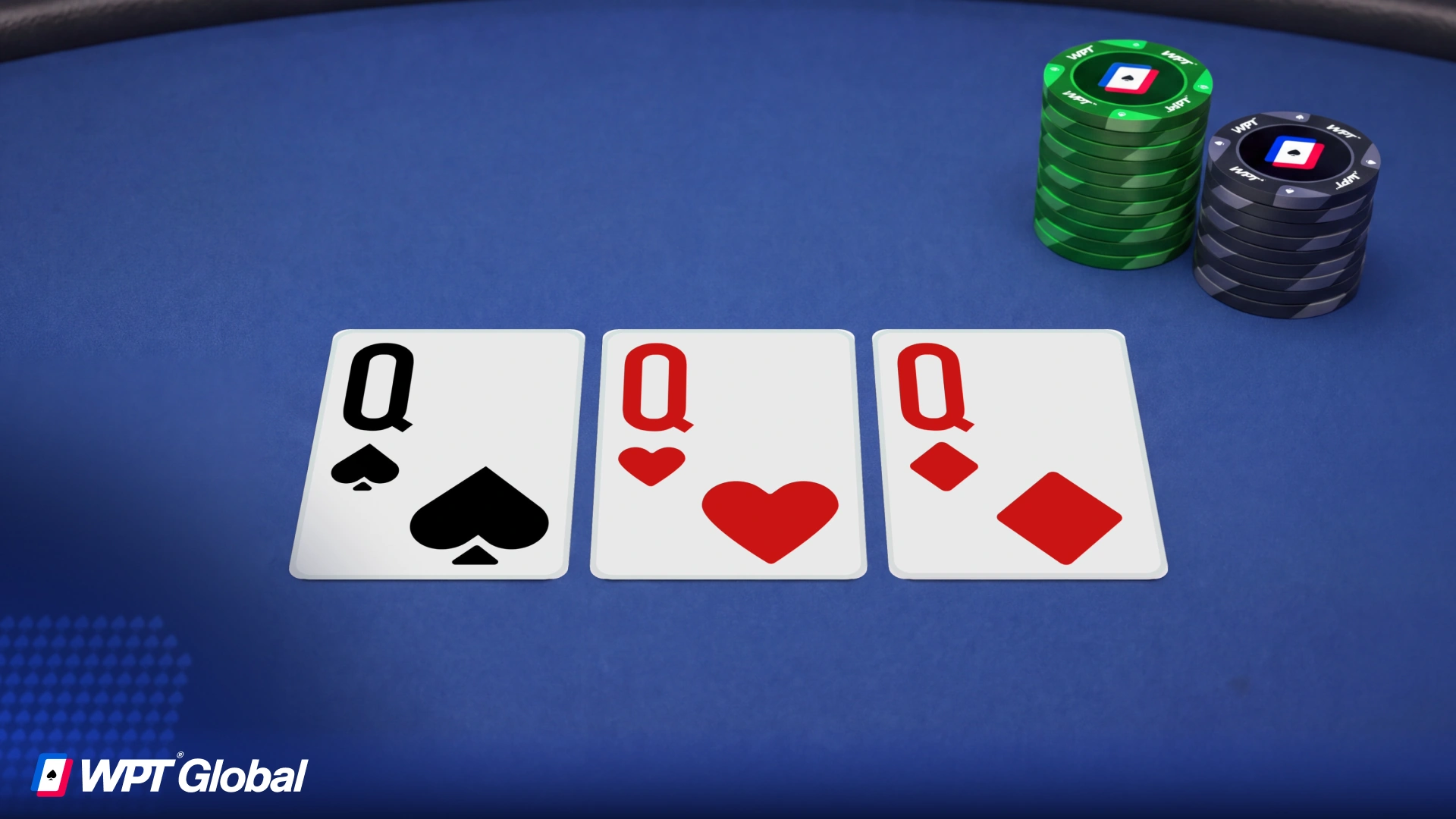
Three of a Kind

Three Card Poker three of a kind hand showing three cards of the same rank.

Three of a kind means all three cards share the same rank, such as three Queens or three Sevens. It is a very powerful hand, ranking just below a straight flush.

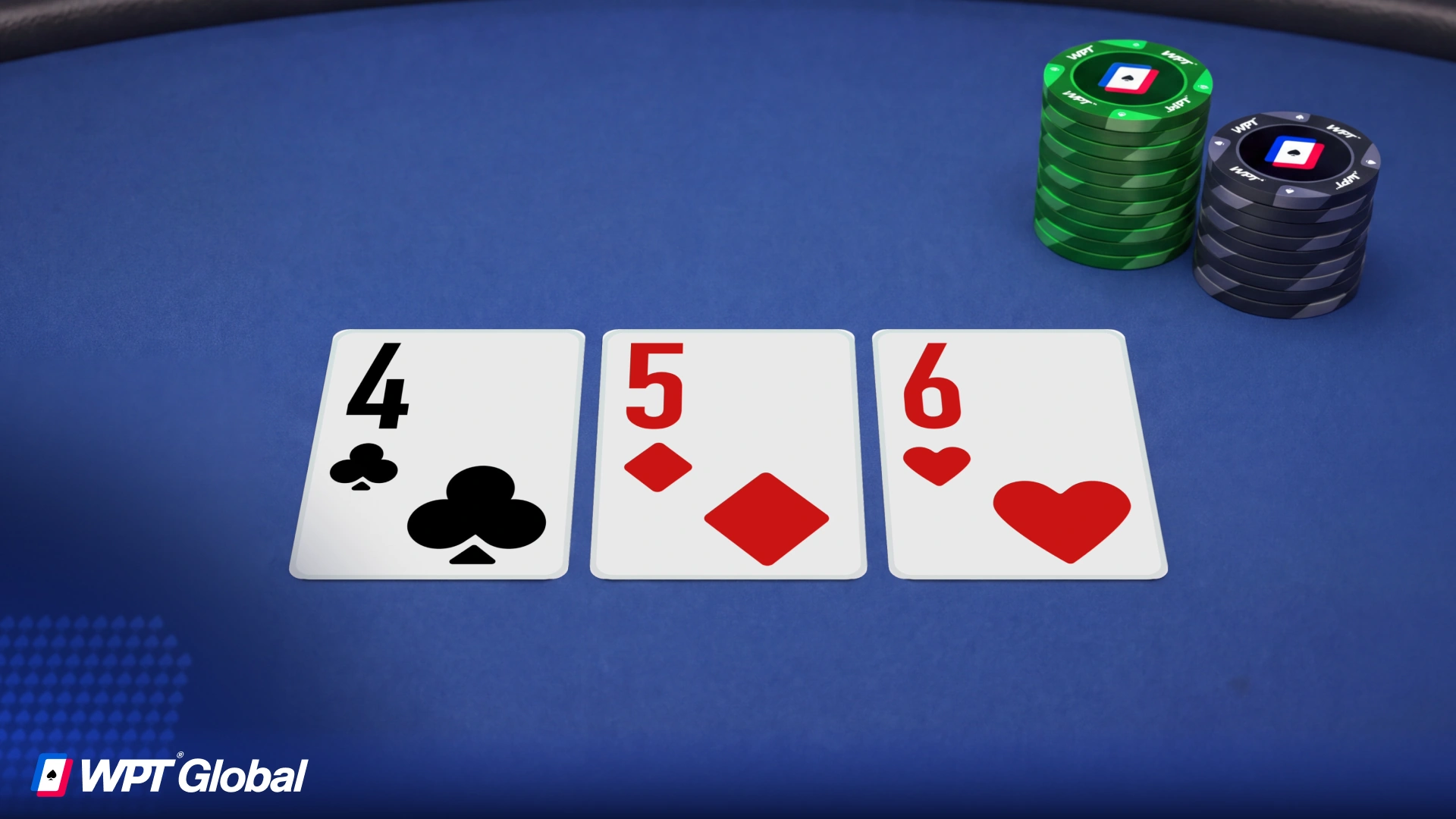
Straight

Three Card Poker straight with three consecutive cards of different suits.

A straight is made up of three cards in consecutive order, but with mixed suits. For example, a 4, 5, and 6 of different suits would form a straight.

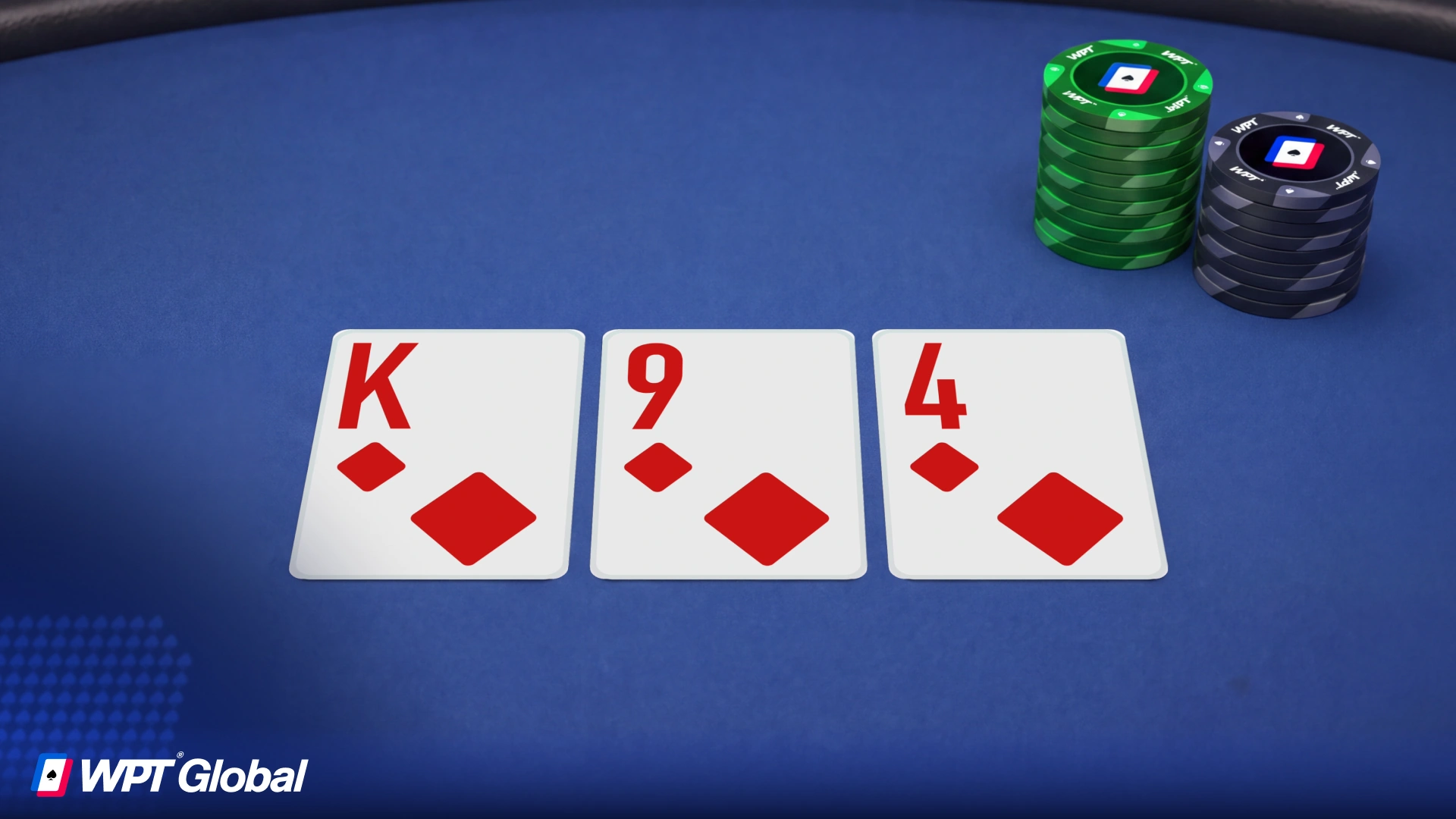
Flush

Three Card Poker flush showing three cards of the same suit that are not consecutive.

A flush contains three cards of the same suit that are not in sequence. The strength of the flush is determined by the highest card.

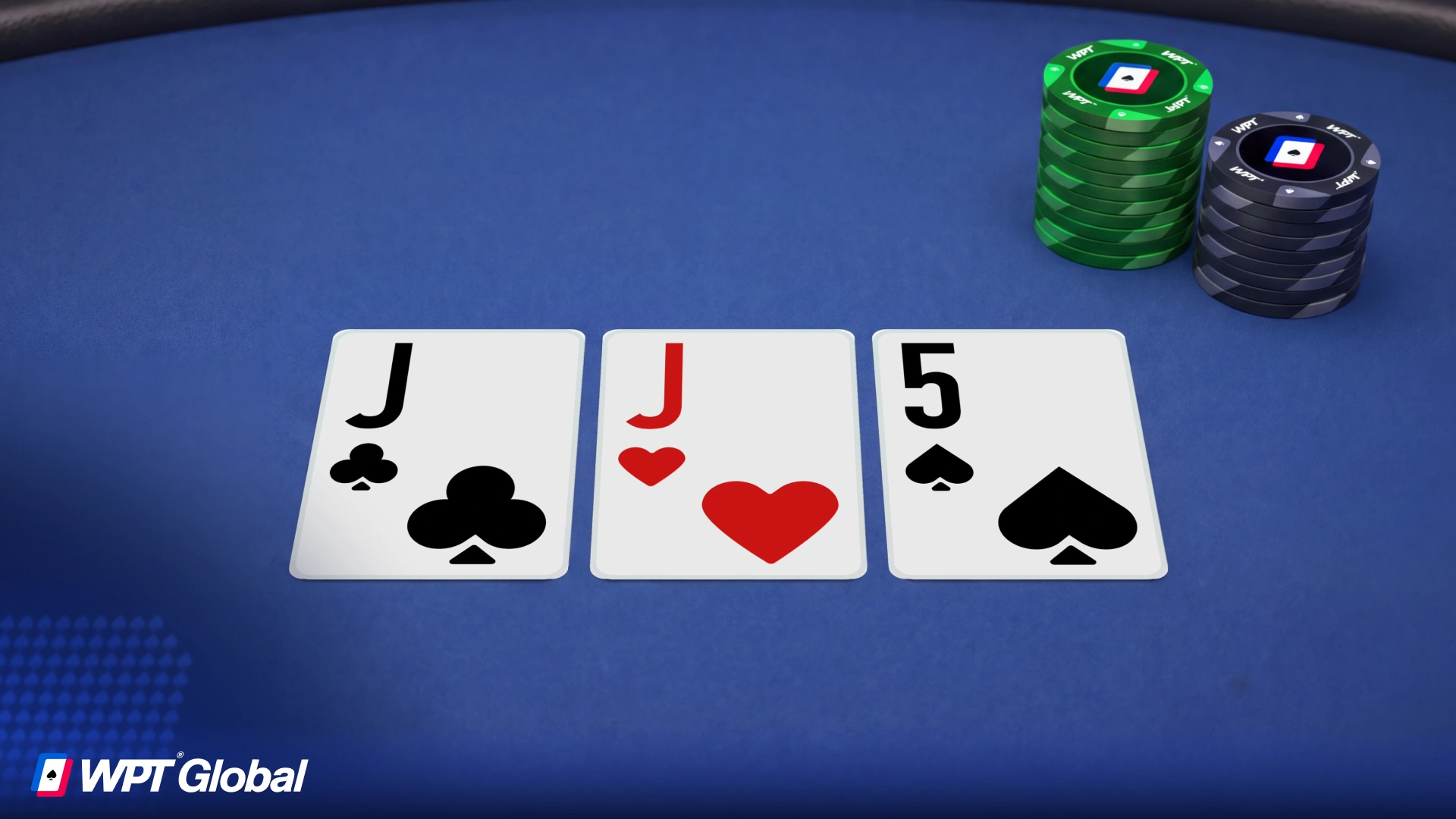
Pair

Three Card Poker pair hand with two cards of the same rank and one unrelated card.

A pair occurs when two of the three cards have the same rank, while the third card is different. The higher the pair, the stronger the hand.

High Card

Three Card Poker high card hand with no pair, straight, or flush.

A high card hand means none of the cards form a pair, straight, or flush. In this case, the highest card determines the hand’s value.

The ordering is different from traditional poker because certain hands occur with different probabilities when only three cards are used.

Step-by-Step: How to Play Three Card Poker at a Casino

Three Card Poker table layout with marked betting spots for Ante, Play, and Pair Plus bets.

Learning the flow of a typical round makes the game easy to follow.

Place Your Ante Bet

Player placing an Ante bet in Three Card Poker before cards are dealt.

Players begin by placing an Ante wager before any cards are dealt.

Receive Three Cards

Three Card Poker dealer dealing three cards face down to each player.

Each player and the dealer receive three cards face down.

Evaluate Your Hand

Player evaluating their three card poker hand before making a decision.

Players examine their cards and decide whether to fold or continue.

Make the Play Bet

Player placing a Play bet in Three Card Poker after choosing to continue.

If you choose to continue, place a Play bet equal to your Ante wager.

Dealer Reveals Their Hand

Dealer revealing their three-card poker hand face up.

The dealer turns over their cards and must have at least Queen-high to qualify.

Compare Hands

Comparison of player and dealer hands in Three Card Poker to determine the winner.

If the dealer qualifies, both hands are compared, and the higher-ranked hand wins.

Understanding Bets: Ante, Play and Pair Plus

Three Card Poker includes multiple betting options that affect payouts and strategy.

Ante Bet

The Ante bet is the primary wager that begins the round. If your hand beats the dealer’s qualifying hand, the Ante bet pays even money.

Some casinos also offer Ante Bonus payouts when the player holds strong hands such as straights or better.

Play Bet

The Play bet is placed after players see their cards. It must match the amount of the Ante bet.

If the dealer qualifies and the player wins, the Play bet pays even money.

Pair Plus Bet

Pair Plus is an optional side bet that pays based on the strength of your hand regardless of the dealer’s cards.

Typical payouts include:

  • Straight Flush – 40 to 1

  • Three of a Kind – 30 to 1

  • Straight – 6 to 1

  • Flush – 3 to 1

  • Pair – 1 to 1

Exact payouts vary depending on the casino.

Three Card Poker Payouts and Bonus Bets

Casinos may offer additional payouts through bonus bets or progressive jackpots.

Common bonus payouts include:

  • Straight Flush bonus

  • Three-of-a-kind bonus

  • Ante Bonus payouts

These bets increase potential winnings but also increase the house edge.

Understanding the payout table at your specific table is important before playing.

Three Card Poker Strategy: Tips for Beginners

While luck influences individual hands, a simple strategy can help reduce the house edge.

Play Queen-Six-Four or Better

This is a mathematically optimal threshold, not a suggestion. Because the dealer must qualify with Queen-high, hands below Q-6-4 do not win often enough to justify the Play bet. Calling with weaker hands creates a consistent negative expectation. Strong players treat this rule as fixed and never deviate, focusing on minimising losses rather than chasing marginal wins.

Avoid Overvaluing Weak Hands

Hand strength is compressed in a three-card format, which leads players to overrate holdings like K-high or weak A-high. These hands look playable but perform poorly in reality. The mistake comes from trusting perception instead of probability. Good players stay disciplined and fold more often, understanding that selectivity is where the edge comes from.

Understand the Odds

Three Card Poker is driven by fixed probabilities, so knowing hand frequencies helps set realistic expectations. Strong hands are rare, and most outcomes come from marginal spots. Players who understand this avoid overreacting to short-term variance and make more consistent decisions. This is where basic strategy and probability awareness combine to improve long-term results.

Common Mistakes and How to Avoid Them

Even though Three Card Poker is simple on the surface, long-term results are heavily influenced by discipline and decision-making. Many new players underestimate how small strategic errors compound over time. Understanding these common mistakes, and correcting them, is essential if you want to minimise the house edge and play with a professional mindset.

Playing Too Many Weak Hands

One of the biggest leaks in Three Card Poker is overplaying marginal holdings, particularly hands below Q-6-4.

From a strategic standpoint, the game has a mathematically optimal decision point: you should only continue (make the Play bet) with Q-6-4 or better. Anything weaker is statistically unprofitable over the long run.

Less experienced players often:

  • Call with hands like Q-5-2 or J-high

  • Justify loose calls based on “feeling lucky”

  • Fail to understand how thin edges impact expected value

How to avoid it:

Avoid it by committing to the Q-6-4 rule and treat it as non-negotiable. This single adjustment dramatically improves your overall return and prevents slow, consistent losses.

Ignoring Payout Tables

Not all Three Card Poker tables are created equal. Small differences in payout structures, especially on the Pair Plus bet, can significantly change the house edge.

For example:

  • A table paying 40:1 for a straight flush is standard

  • A reduced payout (e.g., 35:1) increases the house edge noticeably

Many players overlook this entirely, focusing only on the gameplay rather than the conditions.

How to avoid it:

  • Always check the payout table before sitting down

  • Prioritise tables with player-friendly odds

  • Avoid “worse” tables even if the difference seems minor, it adds up over time

This is a clear edge that experienced players consistently exploit.

Chasing Losses

Tilt is not just a poker concept; it applies equally in casino table games.

Because Three Card Poker is fast-paced, it is easy to:

  • Increase bet sizes after a losing streak

  • Deviate from the correct strategy out of frustration

  • Attempt to “win it back” quickly

This behaviour amplifies variance and accelerates losses.

How to avoid it:

  • Set a fixed bankroll and session limit before playing

  • Accept variance as part of the game

  • Stick to consistent bet sizing regardless of short-term results

Discipline here is what separates casual players from controlled, long-term players.

Enjoying Three Card Poker Responsibly

Like many casino games, Three Card Poker involves wagering real money. It is important to approach the game responsibly and treat it as entertainment rather than a guaranteed way to make money.

Players should always set limits and play within their means. If gambling stops being enjoyable or begins affecting other aspects of life, it may be time to step back.

Resources such as responsible gaming provide helpful guidance on maintaining healthy gaming habits.

By combining a basic understanding of the rules, simple strategy, and responsible play, you can enjoy Three Card Poker as an entertaining addition to the wider world of poker and casino games.